


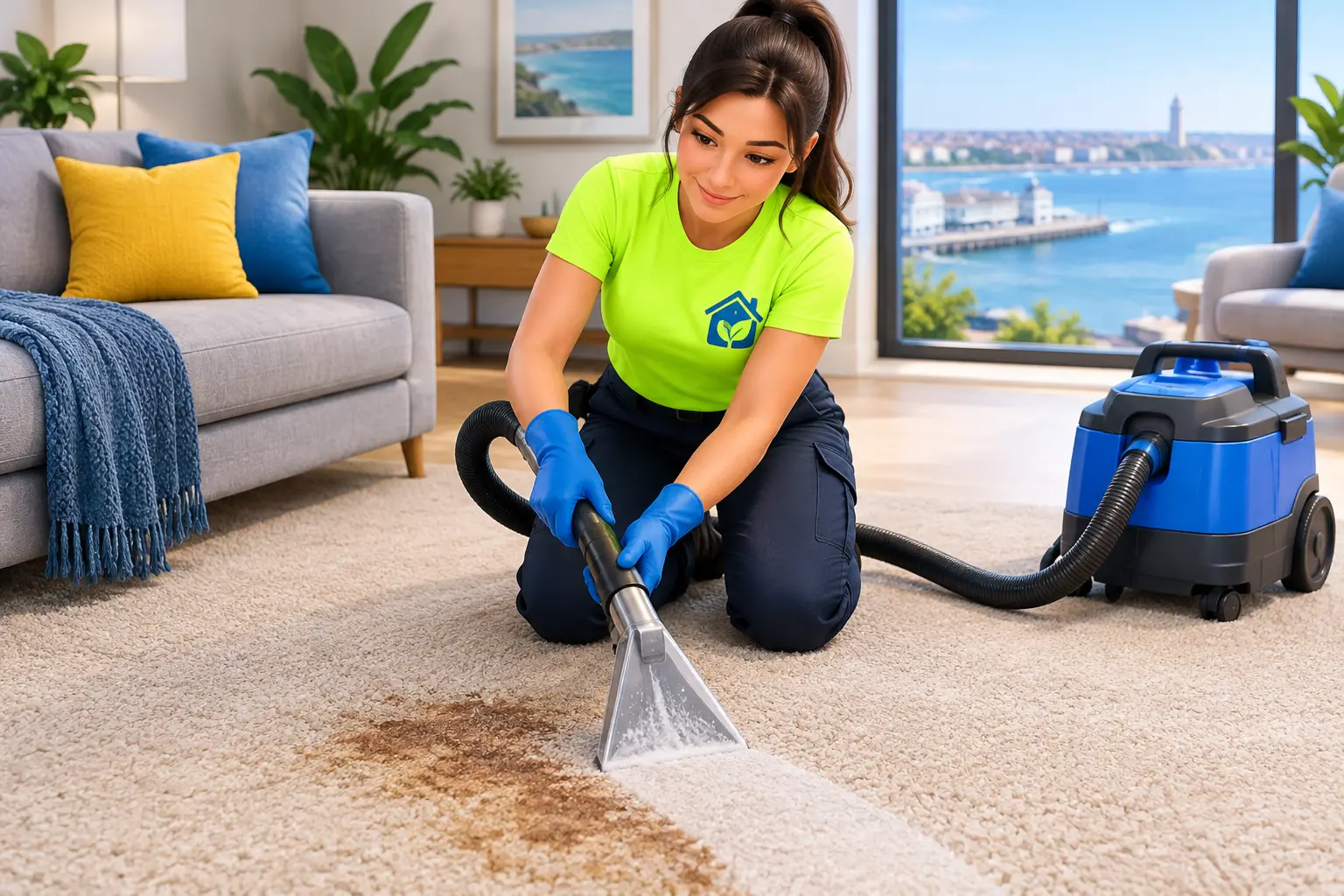
A dropped coffee beside the sofa, muddy footprints through the hallway, or a pet accident discovered after work can change the look of a room in minutes. Fast, sensible action makes a real difference with Geelong carpet stain removal, but the wrong cleaning method can spread the mark, set it deeper or leave behind a pale patch that looks worse than the original spill.
Carpet is not one-size-fits-all. Fibre type, carpet colour, the age of the stain and whatever has already been applied all affect the safest way to treat it. The aim is not simply to make a stain less visible for the afternoon. It is to remove as much of the staining material as possible while protecting the carpet backing, pile and colour.
What to Do the Moment a Spill Happens
The first rule is simple: blot, do not scrub. Use a clean white cloth or plain paper towel and press gently from the outside of the spill towards the middle. This stops the stain travelling further into the carpet and helps lift moisture before it reaches the underlay.
Keep changing to a clean section of cloth as it absorbs the spill. Rubbing hard can rough up carpet fibres and push liquid deeper, particularly on plush or loop-pile carpet. It may also cause a clean-looking ring around the original mark once the area dries.
If you know what was spilled, take a quick photo before applying any product. This is useful if professional treatment is needed later, especially for coloured drinks, makeup, paint, pet stains or an unknown mark in a rental property. It gives the cleaner a clearer starting point and avoids guesswork.
For a small fresh water-based spill, a lightly dampened cloth can help after blotting. Avoid soaking the carpet. Too much water can travel through the backing and leave a damp area that takes a long time to dry, creating odour problems or encouraging mould in poorly ventilated spaces.
Geelong Carpet Stain Removal: Why the Stain Type Matters
A stain is usually more than a visible spot. Coffee contains tannins and oils. Red wine carries strong pigments. Pet urine can leave salts and odour-causing residue below the surface. Grease holds onto fibres differently again. Treating every mark with a general supermarket spray is a gamble.
Food and drink stains
Coffee, tea, cordial, wine, sauces and soft drinks are common household spills. Blotting promptly gives you the best chance of limiting the damage. Be particularly careful with red wine, turmeric, tomato-based sauces and brightly coloured drinks, as their pigments can be stubborn once dry.
Avoid heat on these stains. Hot water can set some proteins and dyes, making them more difficult to remove. A professional cleaner may use a controlled combination of extraction, spotting agents and fibre-safe rinsing to deal with the residue rather than masking it with fragrance.
Pet accidents and odours
Pet accidents need more than a surface clean. Even when the visible mark has faded, residue can remain in the pile, backing or underlay. That can attract pets back to the same spot and leave an odour that returns when the room is warm or humid.
Start by blotting up as much moisture as possible. Do not use strong perfume sprays or bleach-based products. They may alter the carpet colour without addressing the source of the smell. Older or repeated accidents often need professional extraction and targeted odour treatment, particularly in bedrooms, hallways and rental homes.
Grease, makeup and oily marks
Cooking oil, shoe polish, moisturiser, foundation and some hair products can cling to carpet fibres. Water alone rarely shifts them well. Adding more product at home can leave a sticky residue that attracts dust, turning a small mark into a larger dull patch over time.
A qualified cleaner will assess the fibre before using a suitable solvent or pre-treatment, then remove both the stain and cleaning residue through extraction. This matters on wool carpets, where unsuitable products can cause colour loss or texture changes.
Ink, paint and unknown stains
Ink, paint, nail polish and mystery marks are the jobs where patience pays off. Do not scrape aggressively or apply several chemicals in succession. Mixing household products can damage fibres, create fumes or permanently fix the colour into the carpet.
If the stain is fresh, blot carefully and keep people away from the area. Let a professional know what you think it may be, whether it is water-based or oil-based, and what you have already used. Honest detail helps achieve the best possible result.
When DIY Cleaning Can Make Things Worse
Many off-the-shelf carpet products are useful for small, fresh spills when used exactly as directed. The trade-off is that they cannot account for every carpet construction or every stain. Over-applying product is one of the most common problems. The carpet may look fine while damp, then dry stiff, attract soil quickly or develop a visible tide mark.
Steam cleaning should not be confused with pouring hot water onto a stain or hiring a machine without checking the carpet requirements. Professional hot water extraction uses controlled temperature, pressure and recovery. The goal is to flush out soil and cleaning solution while removing moisture efficiently.
Bleach is another clear risk. It may remove the stain colour because it has removed the carpet colour as well. This can leave a permanent light spot, particularly on darker carpets. Vinegar, dishwashing liquid and bicarbonate of soda also have limits. They may help in a specific situation, but they are not universal solutions and can be difficult to fully rinse out.
Signs It Is Time to Call a Professional
A stain is worth booking in when it has dried, covers a large area, smells, keeps returning or sits on a valuable wool or specialty carpet. Professional help is also sensible after flooding, a plumbing leak or a large pet accident, where moisture may have reached the underlay.
For tenants preparing for a bond inspection, spot cleaning can be risky if it leaves uneven patches across a room. A thorough carpet clean can provide a more consistent finish and deal with marks in high-traffic areas around doors, dining tables and lounges. For businesses, regular cleaning helps keep entryways, offices, hospitality venues and shared spaces presentable without staff having to manage stains between daily tasks.
Affordable Clean Geelong provides on-site carpet steam cleaning with qualified, police-checked and fully insured cleaners, using professional-grade equipment suited to domestic and commercial spaces. A good cleaning team will set realistic expectations too. Some old stains, dye damage and wear marks cannot be completely reversed, but proper treatment can often significantly improve their appearance and prevent further damage.
Protecting Carpet After Stain Treatment
Once the carpet has been cleaned, allow it to dry fully before returning heavy furniture or walking on it where possible. Open windows when weather allows, use ceiling fans and keep pets away from damp areas. Drying time varies with carpet thickness, ventilation, humidity and how heavily the carpet was soiled.
Vacuum after the carpet is dry to lift the pile and remove any loosened dry particles. In busy family homes, place washable mats at entrances and deal with spills as they happen. In offices, cafes and gyms, a simple response plan helps staff act quickly: blot the spill, keep the area safe, avoid harsh chemicals and report it for proper treatment.
A carpet does not need to look visibly dirty before it deserves attention. Regular professional cleaning removes the gritty soil that wears fibres down underfoot, while fast stain response protects the appearance of the rooms people use most. Keep a clean white cloth handy, resist the urge to scrub, and give a stubborn mark the right treatment before it becomes part of the carpet.