


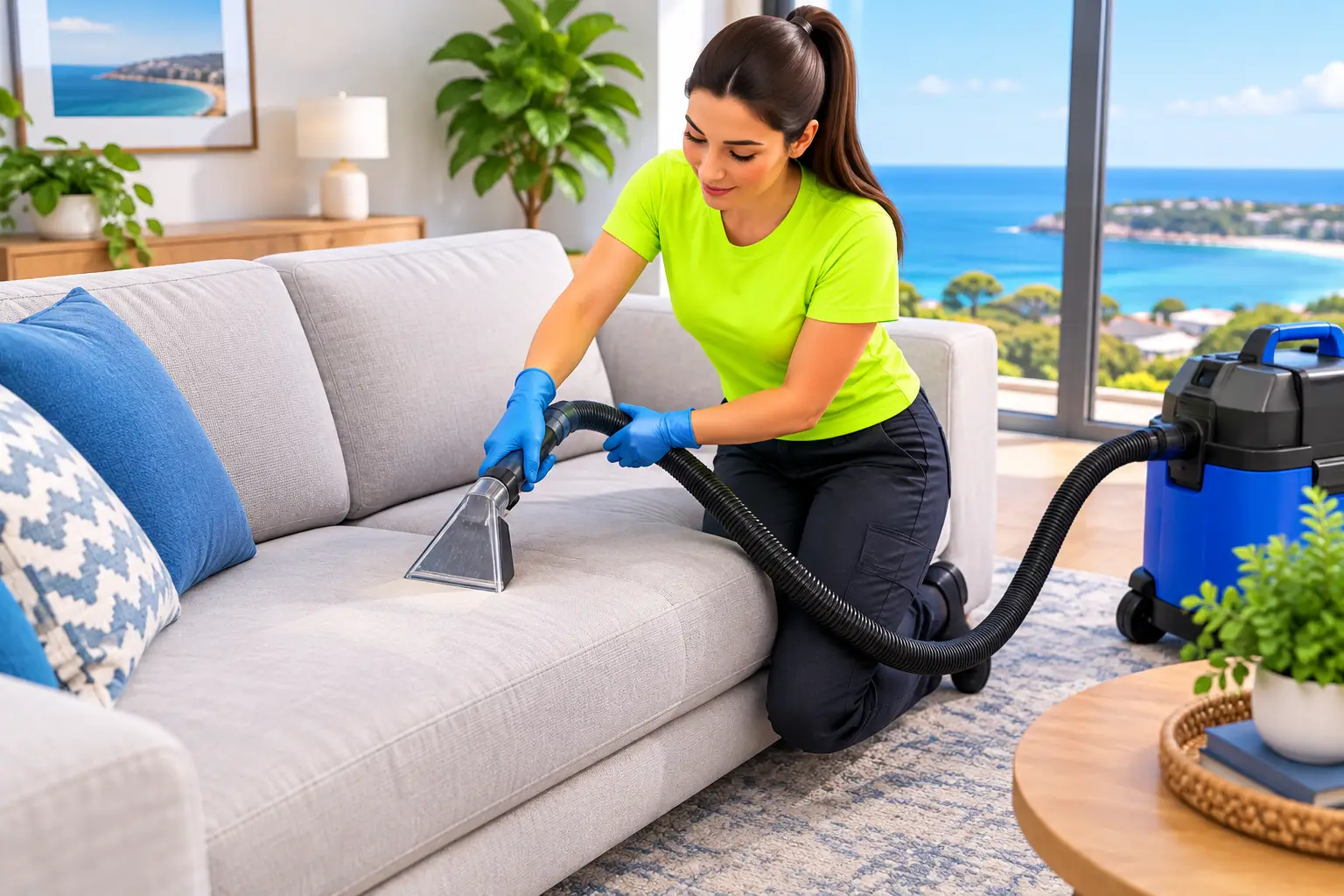
That favourite lounge can look tired long before it is ready to be replaced. Between family movie nights, muddy paws, takeaway dinners and everyday use, upholstered furniture collects dust, body oils, crumbs and marks that vacuuming alone will not shift. Professional upholstery cleaning services Geelong households and businesses can rely on give sofas, armchairs and fabric seating a proper refresh without adding another big job to your weekend.
At Affordable Clean Geelong, we clean the pieces that make a room feel welcoming, from a well-used family couch to dining chairs, office seating and waiting-room lounges. Our local team brings professional equipment, practical experience and the care needed to treat your furniture properly.
When your upholstery needs more than a quick vacuum
Vacuuming is a useful part of regular care, especially around seams, under cushions and along the back of a sofa. But it only removes loose surface debris. The dullness that builds up on armrests, headrests and favourite seats is often caused by oils, fine dust and spills that have worked into the fabric.
A professional clean is worth considering when the furniture has a noticeable odour, visible spots, a general grey or flat appearance, or a sticky feel that remains after light cleaning. It is also a sensible step after illness, before guests arrive, when moving into a new home or when preparing a rental property for its final inspection.
For families with pets or young children, upholstery can need attention sooner. Pet hair is one issue, but lingering odours and accidents can need a deeper approach. The right method depends on the fabric, the age of the mark and what caused it. Fresh spills usually respond better than old set-in stains, so it pays to arrange cleaning rather than repeatedly trying household products that may leave rings or discolour the material.
What upholstery cleaning services in Geelong should include
A proper upholstery clean is not simply a spray and wipe. Before cleaning begins, the cleaner should assess the fabric type, condition, construction and areas of concern. Different materials can react very differently to moisture, heat and cleaning solutions. A lounge with a removable cushion cover may need a different approach from a fixed fabric chair, while delicate fibres and certain dyes require extra caution.
After inspection, loose debris is removed and suitable treatment is applied to problem areas where appropriate. Professional cleaning then lifts embedded soil from the upholstery using the method best suited to the item. Where hot water extraction is suitable, it can provide a deep clean and rinse. Other fabrics may call for a lower-moisture or specialised cleaning process.
The goal is cleaner, fresher furniture without over-wetting it or damaging the fabric. Drying time varies with the material, weather, ventilation and cleaning method. Opening windows, running a fan or using air conditioning can help the furniture dry sooner. Your cleaner should give clear advice about when it is safe to sit on the item again.
Sofas, chairs and commercial seating all need a tailored approach
The same cleaning method should not be used for every item in a property. Fabric lounges, recliners, ottomans, dining chairs and upholstered bedheads all have different shapes, fibres and levels of use. Heavily soiled areas need careful attention, but aggressive scrubbing can damage pile, spread a stain or affect the finish.
Leather furniture also needs its own treatment. It should not be cleaned like fabric upholstery. Leather cleaning and protection can help remove surface grime while maintaining the finish and reducing the risk of drying or cracking. If you are unsure whether a piece is genuine leather, coated leather, microfibre, linen blend or another material, it is better to ask before attempting a DIY treatment.
For commercial spaces, upholstered seating often creates a first impression before a customer reaches the counter or a client enters a meeting room. Cafes, restaurants, offices, gyms, schools, childcare facilities and aged-care settings all deal with frequent use and a higher chance of spills or odours. A planned clean can help maintain hygiene, presentation and comfort without interrupting the day-to-day running of the venue.
The results you can expect – and the limits to be aware of
Professional cleaning can lift a surprising amount of built-up soil and improve the colour and feel of upholstery. It can reduce common odours, remove many food and drink marks, and make a room feel more cared for. However, honest cleaning advice also means being clear about what may not come out completely.
Some stains change or damage fibres rather than simply sitting on the surface. Permanent dye transfer, bleach marks, wear patterns, sun fading, ink, pet urine and old mystery stains can be difficult to remove. A stain that has already been treated with several products may also be harder to correct. Experienced cleaners will assess the item, use suitable products and set realistic expectations before proceeding.
That transparency matters. The best result is not always a brand-new appearance, particularly on older furniture, but a thorough clean that improves the condition as far as the material safely allows.
How to prepare before your upholstery clean
Preparation is straightforward and helps your appointment run smoothly. Remove personal items, throws and loose cushions where possible, and clear a path to the furniture so equipment can be brought in safely. If there are particular spills, pet accidents or areas of concern, point them out at the start of the visit.
Avoid soaking the fabric or applying new products immediately before the appointment. Products bought from the supermarket can sometimes leave a residue that attracts more dirt, while some spot cleaners can alter colour or fix a stain into the fibres. Blot fresh liquid spills gently with a clean white cloth instead of rubbing them. Rubbing pushes the spill deeper and can spread it across a larger area.
If parking, access or lift arrangements are relevant at your home, office or venue, mentioning them when you book helps the team plan ahead. This is especially useful for apartments, busy hospitality spaces and commercial sites with limited access times.
How often should upholstery be professionally cleaned?
For an average household, professional upholstery cleaning every 12 to 18 months is a practical guide. Homes with pets, children, allergies or frequent entertaining may benefit from cleaning every six to 12 months. The right timing depends less on a fixed calendar date and more on how the furniture looks, smells and gets used.
Commercial seating may need a more regular schedule, particularly in reception areas, cafes, restaurants, childcare centres, gyms and shared offices. Regular maintenance can prevent soil from becoming deeply embedded and helps spread the cost of care over the year. Flexible booking arrangements make it easier to organise cleaning around quiet periods, trading hours or school schedules.
Choose a cleaner you feel comfortable letting into your space
Furniture cleaning happens inside your home or workplace, often around valuable belongings and busy routines. Price matters, but so do trust, communication and care. Look for cleaners who are qualified, fully insured and police-checked, who explain the service clearly and use professional-grade equipment suited to the work.
It is also worth choosing a local team that can work around your schedule and respond properly if you have questions before or after the clean. Affordable Clean Geelong provides friendly, dependable upholstery cleaning for local homes and workplaces, with experienced cleaners focused on doing the job thoroughly from booking through to the finished result.
A clean lounge or chair does more than improve a room for visitors. It gives you a fresher place to relax, work, eat or welcome customers. If your upholstery is looking worn, smelling stale or carrying the evidence of a busy life, arranging a professional clean is a simple way to make the space feel cared for again.