

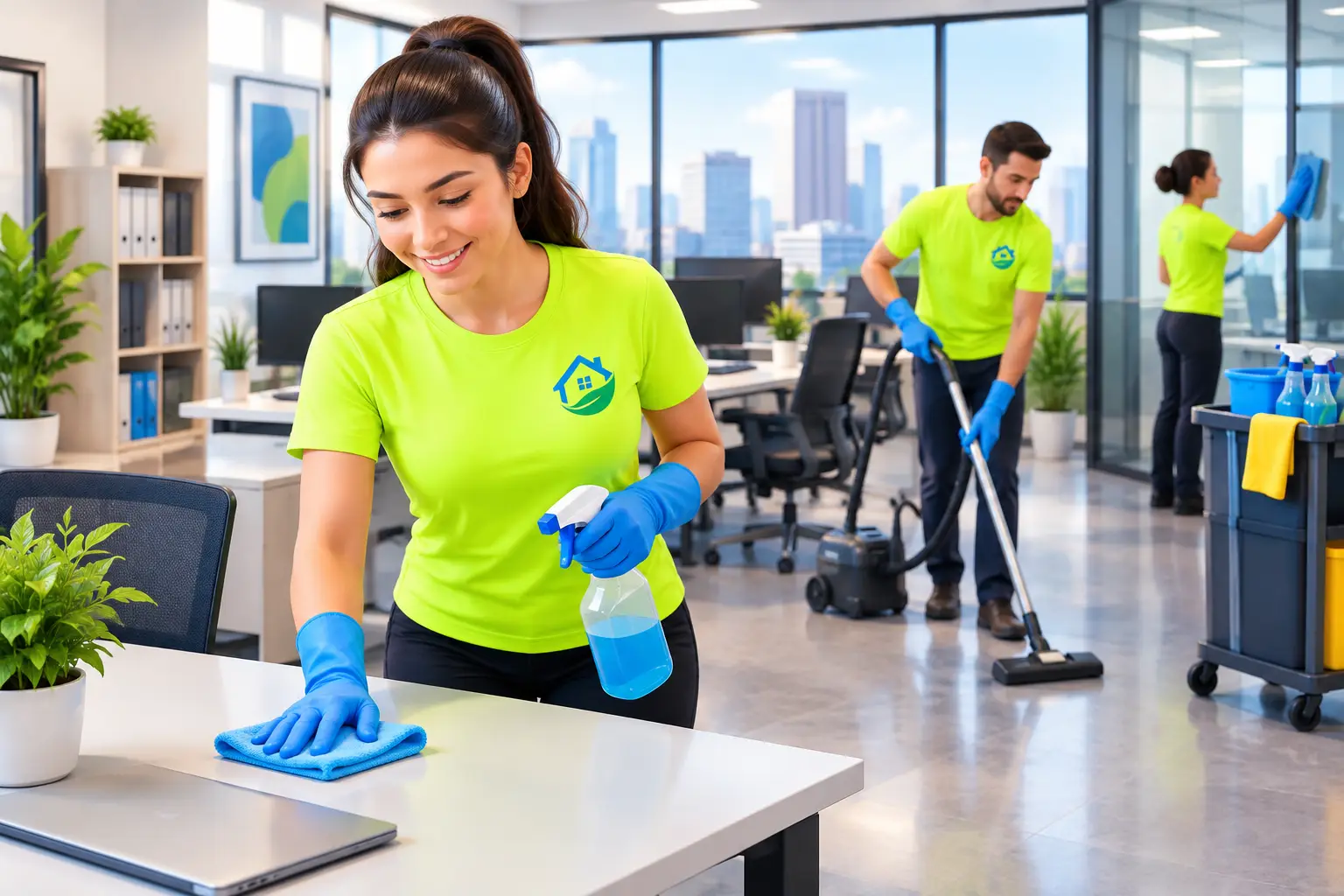
The answer to what does office cleaning include is more than emptying bins and running a vacuum over the carpet. A properly cleaned office supports the people who work there, creates a better first impression for clients and helps keep shared surfaces hygienic. The right scope depends on your workplace, foot traffic, operating hours and the areas your staff and visitors use each day.
For a small Geelong office, a regular clean may focus on workstations, floors, kitchens and washrooms. A larger workplace with meeting rooms, customer areas or a busy staff kitchen may need a more detailed programme. The key is knowing what is covered, how often it is done and where specialist cleaning may be worthwhile.
What does office cleaning include in a standard service?
A standard office cleaning service usually covers the high-use areas that affect cleanliness, hygiene and presentation from day to day. Your cleaner works through an agreed checklist so the job is consistent, rather than simply cleaning whichever areas look most obvious that week.
Reception areas, entryways and meeting rooms
The front of your office sets the tone before a visitor says a word to your team. Cleaning commonly includes vacuuming or mopping entry floors, removing marks from glass doors and internal glass, wiping reception counters, dusting furniture and emptying rubbish bins. Door handles, switches and other frequently touched points can also be disinfected as part of the service.
Meeting rooms are generally reset so they are ready for the next booking. That means wiping tables, straightening chairs, removing rubbish and cleaning floor surfaces. If clients regularly visit your premises, these details make a real difference to how organised and professional the business feels.
Desks and workstations
Office cleaners usually dust accessible desk surfaces, ledges, cabinets, screens and office furniture. They may wipe desks with an appropriate cleaning product, particularly in hot-desking environments where multiple people use the same workstation.
There is a sensible limit here. Cleaners should not disturb confidential documents, move personal files or unplug computers without instruction. Staff can help by clearing their desk at the end of the day and storing paperwork securely. This gives the cleaner access to the surface while protecting privacy and avoiding accidental damage.
Kitchens and staff break areas
The kitchen is often one of the hardest-working spaces in an office. Crumbs, spills, food containers and full bins can quickly create odours and attract pests. Routine office cleaning generally includes wiping benches, tables, sink areas and the outside of cupboards and appliances, along with cleaning the microwave exterior, emptying rubbish and replacing bin liners where supplied.
Floors are vacuumed or mopped depending on the surface. Cleaners also focus on touchpoints such as fridge handles, kettle handles and cupboard pulls. Internal fridge cleaning, oven cleaning and deep cleaning inside appliances can be added when needed, but are not always part of a standard visit.
Washrooms
A clean washroom is a basic expectation for staff, visitors and contractors. Office cleaning usually covers cleaning and disinfecting toilets, urinals, basins, taps, mirrors and surrounding surfaces. Floors are mopped, rubbish is removed and consumables can be restocked if this is included in your arrangement.
Consumables may include toilet paper, paper towel, hand soap and sanitary bin servicing. It is worth confirming who supplies these items. Some workplaces provide their own stock, while others prefer the cleaning company to manage it so there are fewer jobs for office staff to remember.
Floors, bins and general dusting
Most regular cleans include vacuuming carpeted areas and mopping hard floors. Cleaners work around accessible furniture and pay attention to corners, walkways and under desks where dust tends to collect. Rubbish bins are emptied throughout the office, and liners are replaced where required.
General dusting often includes skirting boards, windowsills, shelves, chair bases and accessible surfaces. High dusting, detailed blind cleaning and the tops of tall cupboards may be scheduled less frequently because they are not needed at every visit.
Hygiene cleaning for shared touchpoints
Regular cleaning removes visible dust and grime. Hygiene cleaning goes further by treating shared, high-touch surfaces that can pass between many hands during a working day. This is particularly useful in busy offices, medical-adjacent settings, childcare administration areas, gyms and workplaces with hot desks.
Common touchpoints include door handles, light switches, lift buttons, handrails, shared phones, printer controls, kitchen appliance handles and bathroom fittings. The frequency should reflect how the office operates. A quiet office with a small team may only need this work during scheduled evening cleaning, while a public-facing workplace may benefit from more frequent attention.
Disinfection is not a substitute for regular cleaning. A surface needs to be cleaned properly before disinfectant can work as intended. That is why a practical programme combines both tasks rather than treating them as the same thing.
What is usually not included unless requested?
Not every cleaning need belongs in a routine office service. Clear expectations prevent surprises and make it easier to quote accurately. The following jobs are commonly arranged as extras, periodic services or specialist work:
- Carpet steam cleaning for stains, odours and deeper soil removal
- Internal window cleaning, especially for high or difficult-to-reach glass
- Upholstery cleaning for office chairs, lounges and fabric partitions
- Tile and grout cleaning in kitchens, foyers or washrooms
- High-pressure cleaning for exterior paths, entry areas or loading zones
- Detailed cleaning after building work, office moves or renovations
These services are not less important. They simply need different equipment, more time or a separate schedule. For example, carpet steam cleaning may be planned after hours or before a weekend so flooring has time to dry before staff return.
How often should an office be cleaned?
There is no single answer because a two-person consultancy has very different needs from a busy office with client appointments, shared amenities and twenty staff members. The best schedule is based on use, not just the size of the floorplan.
A low-traffic office may be comfortable with a weekly clean, particularly if staff manage their own dishes and rubbish between visits. Most small and medium offices benefit from cleaning two or three times a week to keep washrooms, kitchens and shared floors under control. Daily cleaning is often the better choice for high-traffic workplaces, offices with public reception areas, larger teams or premises that need a consistently polished appearance.
Seasonal factors matter too. Wet Victorian weather can bring mud and moisture through entryways, while winter colds can make touchpoint cleaning more valuable. Your cleaning plan should be flexible enough to respond when the office is busier than usual.
Setting a cleaning scope that works
A good office cleaning service starts with a walkthrough and a straightforward conversation. Identify the rooms to be cleaned, the areas that receive the most use, access arrangements, security requirements and preferred cleaning times. If your office has alarms, keys, swipe access or restricted rooms, these details should be agreed before the first visit.
It also helps to decide what a successful clean looks like for your team. For some businesses, that means spotless washrooms and a fresh kitchen every morning. For others, it means client-facing areas that are always presentable and carpeted floors that stay free of tracked-in dirt. A tailored scope keeps the service practical and avoids paying for tasks that do not suit your premises.
Affordable Clean Geelong provides flexible office cleaning programmes with police-checked, fully insured cleaners, so local businesses can arrange a schedule that fits around staff, customers and trading hours.
A cleaner office is easier to run
The best office cleaning arrangement is one your team barely has to think about. Bins are emptied, washrooms are ready, kitchens feel pleasant to use and visitors walk into a space that reflects well on the business. When the scope is clear from the start, your cleaner can take care of the routine while you focus on the work that keeps your office moving.