

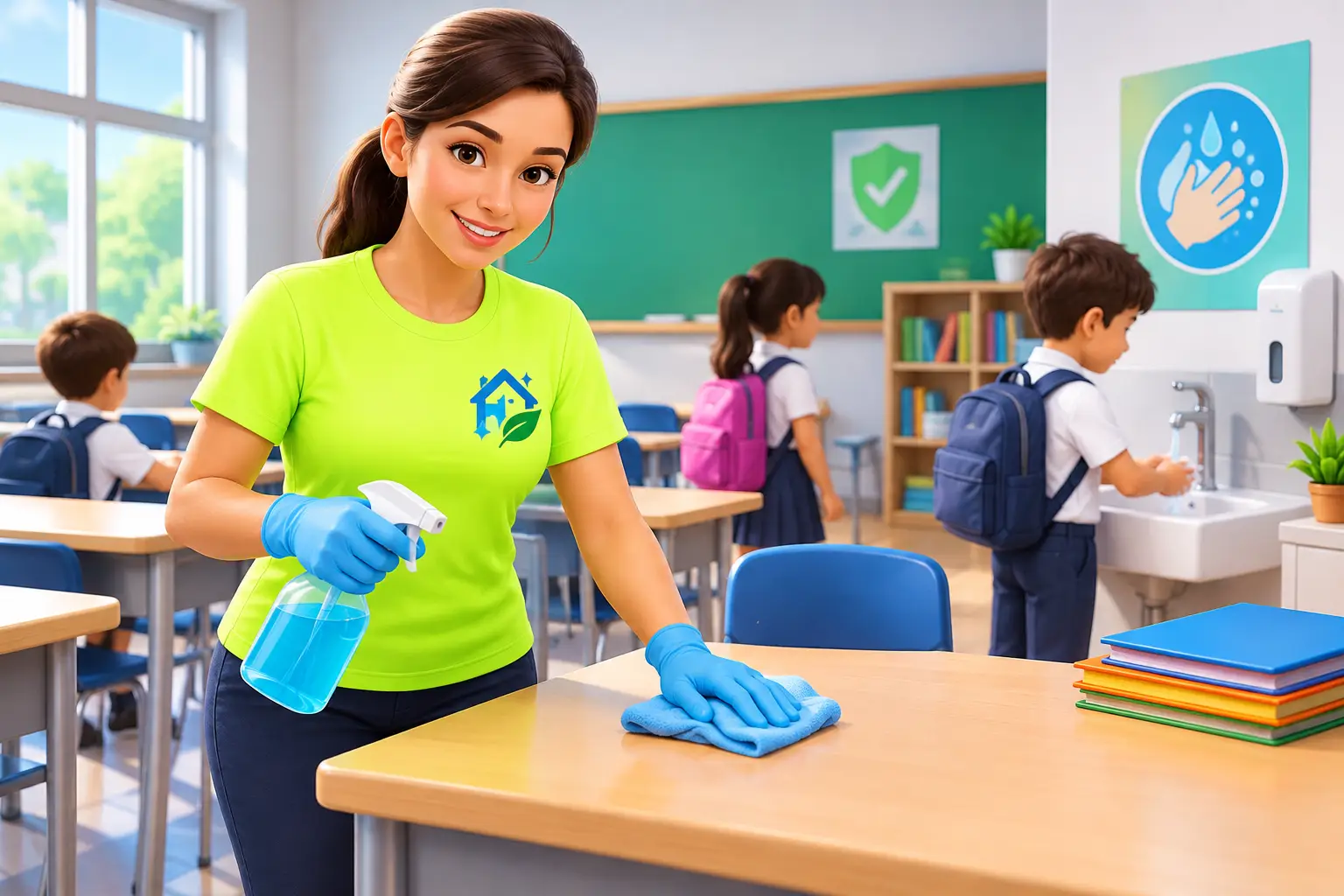
The morning bell does not wait for a cleaner to finish wiping a desk, restocking soap or dealing with an overflowing bin. That is why effective school hygiene protocols need to work around the real rhythm of a school day: busy classrooms, wet-weather lunches, shared devices, sport, food areas and hundreds of hands touching the same surfaces.
For school administrators and facility managers, the goal is practical. Keep students and staff comfortable, reduce avoidable hygiene risks and maintain a school environment families can feel confident about. A visible clean also protects the school’s reputation. Parents notice grimy entry glass, unpleasant toilet smells and sticky tables long before they see a cleaning schedule.
Start with a clear school hygiene routine
A good hygiene programme separates routine cleaning from targeted disinfection. They are related, but they are not the same job. Cleaning removes dirt, food residue, dust and marks from a surface. Disinfection is used where there is a higher risk of germs being spread, particularly on frequently touched surfaces or after an illness incident.
If a surface is visibly dirty, it should be cleaned before it is disinfected. Applying a disinfectant straight over grime can reduce its effectiveness and leave the area looking poorly maintained. Staff also need to follow the product directions, including the required contact time, rather than spraying and immediately wiping it away.
For most schools, the routine should be planned around three levels of attention: daily cleaning, regular detailed cleaning and immediate response cleaning. Daily work keeps high-use areas presentable and functional. Detailed cleaning tackles the places that collect soil over time, such as carpet edges, skirting boards, vents, chair legs and grout. Immediate response cleaning covers spills, bodily fluids, illness-related incidents and other unexpected messes.
Prioritise the places everyone touches
Not every part of a school needs the same level of cleaning at the same time. A locked storeroom and a Year 2 classroom have very different hygiene demands. Focus daily attention where many people touch the same item or surface.
In classrooms, that usually means desks, chair backs, door handles, light switches, shared keyboards, tablets, markers and taps. In administration areas, reception counters, EFTPOS terminals, phones and shared printers deserve the same consideration. Libraries, music rooms and computer labs can need extra care because equipment passes quickly between users.
Toilets and change rooms require close attention throughout the day. Toilets, flush buttons, taps, door locks, dispensers and hand dryers are obvious priorities, but floors, bin surrounds and partitions matter too. A toilet block can be technically cleaned yet still feel unhygienic if bins are full, soap is empty or odours have been allowed to build up.
Eating areas should be cleaned after use, not just at the end of the day. Tables, benches and food preparation surfaces need to be cleared of crumbs and spills promptly. This helps limit pests, reduces slips and keeps students from carrying food residue back into classrooms.
Hand hygiene needs to be easy, not just encouraged
Posters reminding students to wash their hands are helpful, but the set-up has to make the right behaviour possible. Every handwashing point should have running water, soap and a reliable way to dry hands. Regular checks are essential because dispensers can empty quickly in a busy school.
Hand sanitiser can be useful at classroom entrances, near shared equipment and in areas where a sink is not close by. It is not a replacement for washing hands when they are visibly dirty, after using the toilet or before handling food. Schools should also consider the age of students and supervise use where needed.
The simplest routines are often the ones students actually follow. A short handwashing break before eating, after outdoor play and after toilet use is easier to reinforce than a long list of rules. Teachers, support staff and cleaners all play a role in spotting when facilities need attention.
Build cleaning around the school timetable
A cleaner working in an empty building can complete a deeper clean efficiently. But schools cannot rely only on after-hours work. Daytime cleaning support is valuable for toilet checks, quick spill response, bin servicing and touchpoint cleaning in high-traffic areas.
The right arrangement depends on the size of the site, student numbers, building layout and whether the school has kitchens, gyms, science rooms or childcare spaces. A small primary school may need a thorough after-hours service plus a midday toilet check. A larger campus may benefit from an on-site daytime cleaner as well as an evening team.
Cleaning schedules should be specific enough to be useful. Rather than writing “clean bathrooms”, record what is expected: clean and disinfect toilets and touchpoints, mop floors, remove rubbish, refill soap and paper supplies, and report damage or maintenance issues. Clear expectations prevent important tasks from being assumed rather than completed.
Do not overlook floors, carpets and air quality
Floors carry in mud, leaves, food, sports ground debris and moisture every day. Regular vacuuming and mopping improve appearance, but they also reduce the dust and grit that move through classrooms. Entry mats should be cleaned often, especially during wet Victorian weather, as they are the first defence against slippery or dirty floors.
Carpets need more than a quick vacuum. High-traffic paths can hold fine dirt, allergens and spills that routine vacuuming cannot fully remove. Periodic carpet steam cleaning can refresh classrooms, libraries and staff areas, particularly after winter or before a new term. The timing matters – cleaning should allow enough drying time before students return.
Ventilation is not solely a cleaning issue, but it supports hygiene and comfort. Keep vents clear of dust, avoid blocking airflow with stored items and address musty smells early. A persistent odour may point to dampness, a spill beneath furniture or a maintenance concern that needs further investigation.
Respond calmly and correctly to illness incidents
Schools need a clear process for vomiting, blood or other bodily-fluid incidents. This is not a standard wipe-down job. The area should be restricted, appropriate personal protective equipment used, and the spill removed and disinfected using suitable products and procedures. Contaminated materials must be disposed of safely, and hands washed thoroughly afterwards.
Having a prepared incident kit prevents staff from scrambling to find gloves, absorbent material, bags and cleaning products at the wrong moment. It also protects staff members who may not normally be responsible for cleaning. If the task falls outside their training or available equipment, a professional cleaning team should be called in.
Communication matters here. The school does not need to create alarm, but it should be able to tell relevant staff what area was affected, when it was cleaned and whether access was restricted. A simple record helps maintain accountability and supports a consistent response.
Make hygiene everyone’s responsibility, with clear boundaries
Students can help by putting rubbish in bins, washing hands and reporting spills. Teachers can reinforce routines and flag classroom issues. Maintenance teams can repair leaking taps, faulty dispensers and damaged flooring. Yet these shared responsibilities should not become an excuse for unclear cleaning ownership.
Professional cleaners should have defined tasks, appropriate training and access to commercial-grade equipment and products. For schools, trust is equally important. Choosing insured, police-checked cleaners gives administrators confidence that the people working around students and sensitive spaces have been properly vetted.
Affordable Clean Geelong works with local commercial and institutional sites that need flexible, dependable cleaning arrangements. For a school, that could mean a tailored recurring programme, scheduled carpet care during holidays or additional support after a high-demand event.
Review the protocol before small issues become big ones
A hygiene protocol should be reviewed each term, and sooner if there are repeated complaints, illness concerns or changes in building use. Walk the site at different times of day. A foyer may look spotless at 7 am but need attention after the lunchtime rush. A toilet block may be clean at close but run out of soap before midday.
Ask practical questions: Are supplies lasting? Are cleaners able to access every required area? Are high-touch surfaces being addressed often enough? Are there recurring stains, odours or slip hazards? The answers will show whether the issue is staffing, timing, equipment, maintenance or the cleaning plan itself.
The best school hygiene routines are rarely complicated. They are visible, consistent and realistic enough to hold up on the busiest day of term. When students can concentrate, staff can work comfortably and visitors walk into a clean, cared-for campus, the system is doing what it should.